
With FIFA confirming DR Congo for the 2026 World Cup playoff, significant concerns have emerged regarding the financial, developmental, and governance implications for Nigerian football, prompting urgent calls for strategic reforms to secure the country’s footballing future.
By Sports Desk
It has been officially confirmed. Nigeria’s dream of featuring at the 2026 FIFA World Cup has officially ended after FIFA confirmed the Democratic Republic of Congo (DR Congo) as Africa’s representative in the upcoming inter-confederation playoff tournament.
That announcement meant protest against the Leopards has been thrown out.
Nigeria’s World Cup Exit: A Historic Low
For a nation with a rich footballing legacy, three-time African champions and a fixture at past World Cups, missing out on the 2026 FIFA World Cup for the second consecutive tournament is a significant setback.
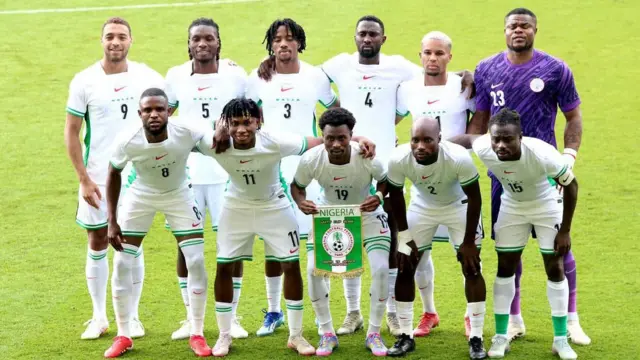
The Super Eagles drew 1-1 with DR Congo in Morocco before losing 3-4 on penalties in November 2025, a result which, despite the NFF’s appeal over eligibility rules, has been upheld by FIFA.
This outcome compounds Nigeria’s recent qualification struggles and raises urgent questions about both competitive and administrative issues within the nation’s football ecosystem.
Wider Impacts on Nigerian Football Development
1. Lost World Cup Exposure and Revenue
Failing to qualify for the World Cup doesn’t just hurt national pride, it has tangible financial and commercial consequences. Local reports reveal that Nigeria missed out on around $10.5 million (about ₦15.5 billion) in guaranteed FIFA prize money that would have come with a World Cup appearance.
Beyond prize money, participation would have elevated sponsorship deals, broadcast rights, and global visibility for Nigerian players. This exposure often leads to higher-value club contracts for domestic stars and greater investor interest in Nigerian football infrastructure.
2. Strategic and Administrative Reforms Needed
Nigeria’s World Cup exit exposes deeper structural challenges:
- Team Management and Preparation: The Super Eagles have been criticised for inconsistency and tactical frailties. Many observers believe the World Cup ticket was lost in the early stage of the qualification when the NFF was still tinkering with the technical crew for the team dropped critical qualification points to the opponents in its qualification group.
- Player Selection and Future Planning: Nigerian football has produced world-class talent, yet progress has been hampered by administrative decisions and an inability to leverage youth development systems effectively.
- Governance and Accountability: Governance and Accountability: Persistent boardroom conflicts and recurring allegations of corruption within the NFF have been widely identified as major obstacles to effective football administration in Nigeria. Analysts argue that the instability and credibility concerns have undermined investor confidence, making it difficult for the federation to attract substantial, high-quality sponsorships for national teams and long-term developmental programmes.
3. Fans, Identity, and National Confidence
The Super Eagles’ elimination has sparked a wave of mixed reactions among supporters — ranging from despair to calls for wholesale change. Online fan communities reflect disappointment, with many expressing frustration over tactical decisions and missed opportunities.
These sentiments underscore how football intersects with national identity in Nigeria. The Super Eagles are more than a team; they are cultural touchstones whose successes and failures resonate across society.
What Lies Ahead: Lessons and Opportunities
Renew Focus on AFCON and Youth Development
President Bola Ahmed Tinubu has urged stakeholders to refocus on the Africa Cup of Nations (AFCON) and other broader goals, stressing the need for unity and strategic restructuring.
Nigeria must channel energy into long-term football development:
- Revamping Domestic Leagues: Strengthening the Nigeria Professional Football League (NPFL) is key to nurturing future talent.
- Investing in Youth Academies: Grassroots programmes will ensure a steady pipeline of capable players ready for international competition.
Improved Technical Coaching and Tactical Innovation
Bringing in high-calibre technical staff and exposing players to more competitive environments will address on-field shortcomings exposed during World Cup qualifiers.
Strengthening Football Governance
Reforms in governance, legal advisory units, and regulatory compliance will ensure future credibility of the operations of the NFF while expanding more opportunities for sponsorships and partnerships for its teams and programmes.
Conclusion: A Crucial Turning Point
Nigeria’s exclusion from the 2026 FIFA World Cup marks a significant inflection point for the nation’s football. While the pain of missing the world’s biggest sporting festival is real, this moment offers an opportunity for introspection, reform, and strategic renewal.
For Nigerian football to return to its storied heights, stakeholders must prioritise development, professionalism, and governance, building a foundation that ensures this setback becomes a catalyst for long-term success and resilience.