
By News Editor
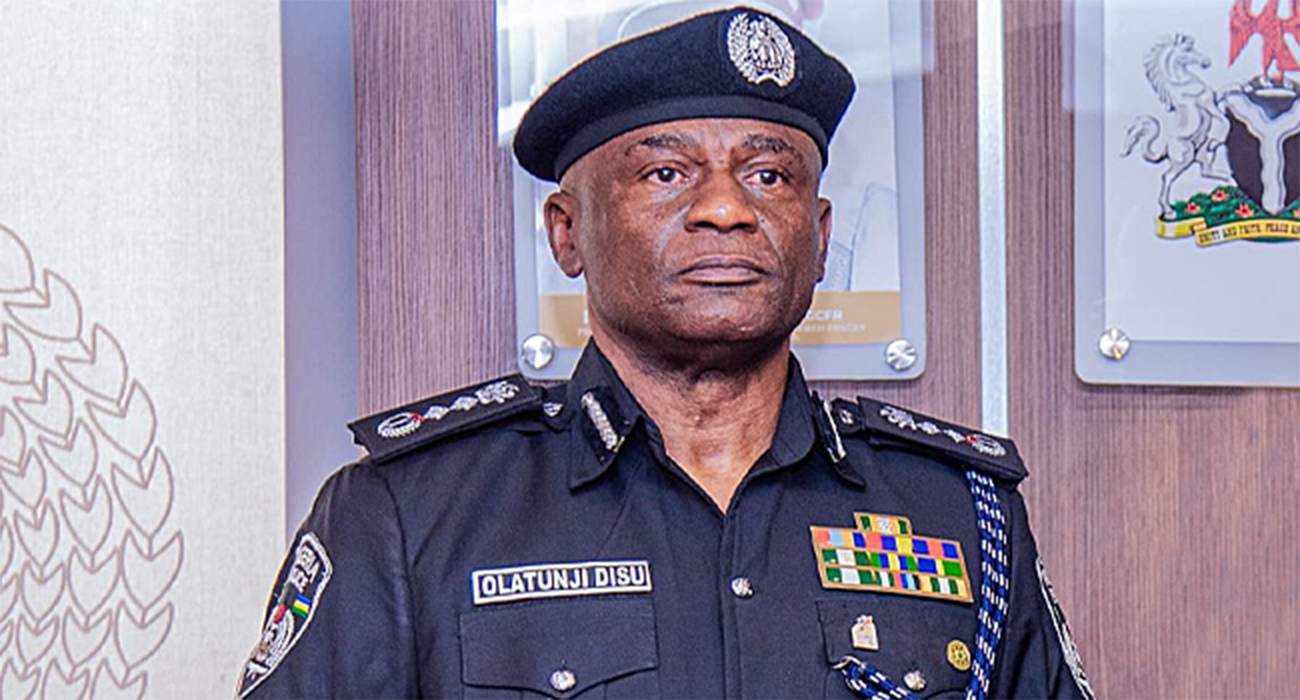
Nigeria’s newly sworn-in Inspector-General of Police, Tunji Disu, has declared that the Nigeria Police Force (NPF) will maintain strict neutrality in the 2027 general elections, warning that any officer found engaging in partisanship or electoral misconduct will face prosecution.
Disu made the statement during his inaugural conference with strategic police managers shortly after being sworn in by President Bola Ahmed Tinubu at the State House in Abuja on Wednesday.
Police Neutrality in 2027 Elections Non-Negotiable
Speaking on the role of the police in safeguarding democracy, Disu outlined four core principles that will guide police operations during elections. These are: firm enforcement of the law, impartial decision-making. professional conduct and strict neutrality in all electoral engagements
He stressed that the credibility of the 2027 elections would depend significantly on the conduct of security agencies, particularly the NPF as the lead agency for election security.
“As we approach the 2027 general elections, our responsibility to the nation becomes both heightened and non-negotiable,” Disu stated.
He stated that any deviation from these standards would attract swift disciplinary action.
Disu Sworn In as 23rd Inspector-General of Police
President Tinubu officially inaugurated Disu as the 23rd Inspector-General of Police ahead of the Federal Executive Council (FEC) meeting at the Presidential Villa. He succeeds Kayode Egbetokun, who resigned in February, citing pressing family considerations.
The leadership transition comes at a critical time as Nigeria prepares for the 2027 general elections, an electoral cycle widely expected to shape the country’s democratic trajectory.
Zero Tolerance for Electoral Misconduct
Disu announced a zero-tolerance policy for partisanship, abuse of authority, or violations of electoral laws within the police force.
“Any officer found to have compromised neutrality, violated electoral laws, or acted outside approved rules of engagement will face swift and decisive disciplinary action, including prosecution where applicable. There will be no exceptions and no excuses,” he warned.
The statement signals a tougher internal compliance framework within the NPF as Nigeria moves closer to 2027.
Police to Secure Electoral Process Before, During and After Polls
The Inspector-General reaffirmed that the police would secure electoral processes nationwide, protect voters and electoral officials, safeguard democratic institutions, defend critical infrastructure and ensure citizens exercise civic rights without intimidation
He further emphasized that crowd control operations during elections would be handled with restraint and full respect for human rights. Any use of force, he noted, must be lawful, proportionate, and accountable.
Coordination with Armed Forces, But Police to Lead
While pledging collaboration with the armed forces and other intelligence agencies, Disu clarified that the police would retain primary leadership in election security operations, in line with constitutional mandates.
This structured coordination is aimed at preventing electoral violence and enhancing public confidence in security arrangements.
Internal Reforms: Restoring Public Trust in the Nigeria Police Force
Beyond electoral matters, Disu reiterated his commitment to institutional reforms within the Nigeria Police Force.
He warned that misconduct, corruption, extortion, unlawful arrests, and abuse of power would not be tolerated under his leadership.
To strengthen accountability mechanisms, the IGP said the Force Provost, the Complaints Response Unit, and the X-Squad would be empowered to operate independently and decisively in investigating cases of misconduct.
“No officer is above the law,” Disu declared.
What Disu’s Leadership Means for Nigeria’s Democracy
As Nigeria prepares for the 2027 general elections, Disu’s firm stance on neutrality and accountability is expected to shape public perception of election security.
Observers note that public trust in law enforcement remains central to Nigeria’s democratic stability. The coming months will test whether the new police leadership can translate strong rhetoric into practical reforms and credible electoral security operations.